Cityscape 2025 — Capital Is Plentiful, Execution Is the Real Differentiator
A Global Showcase of Ambition
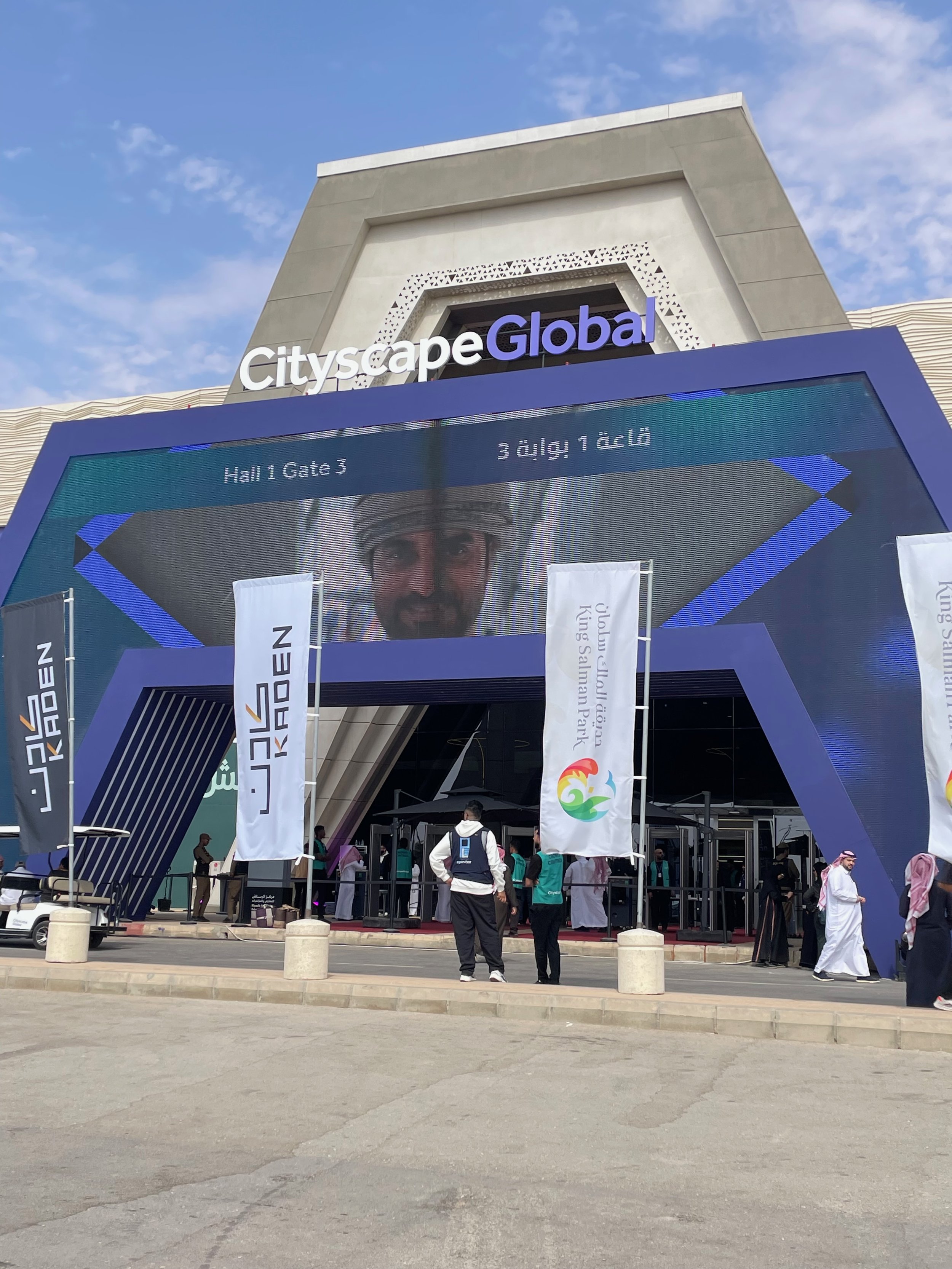
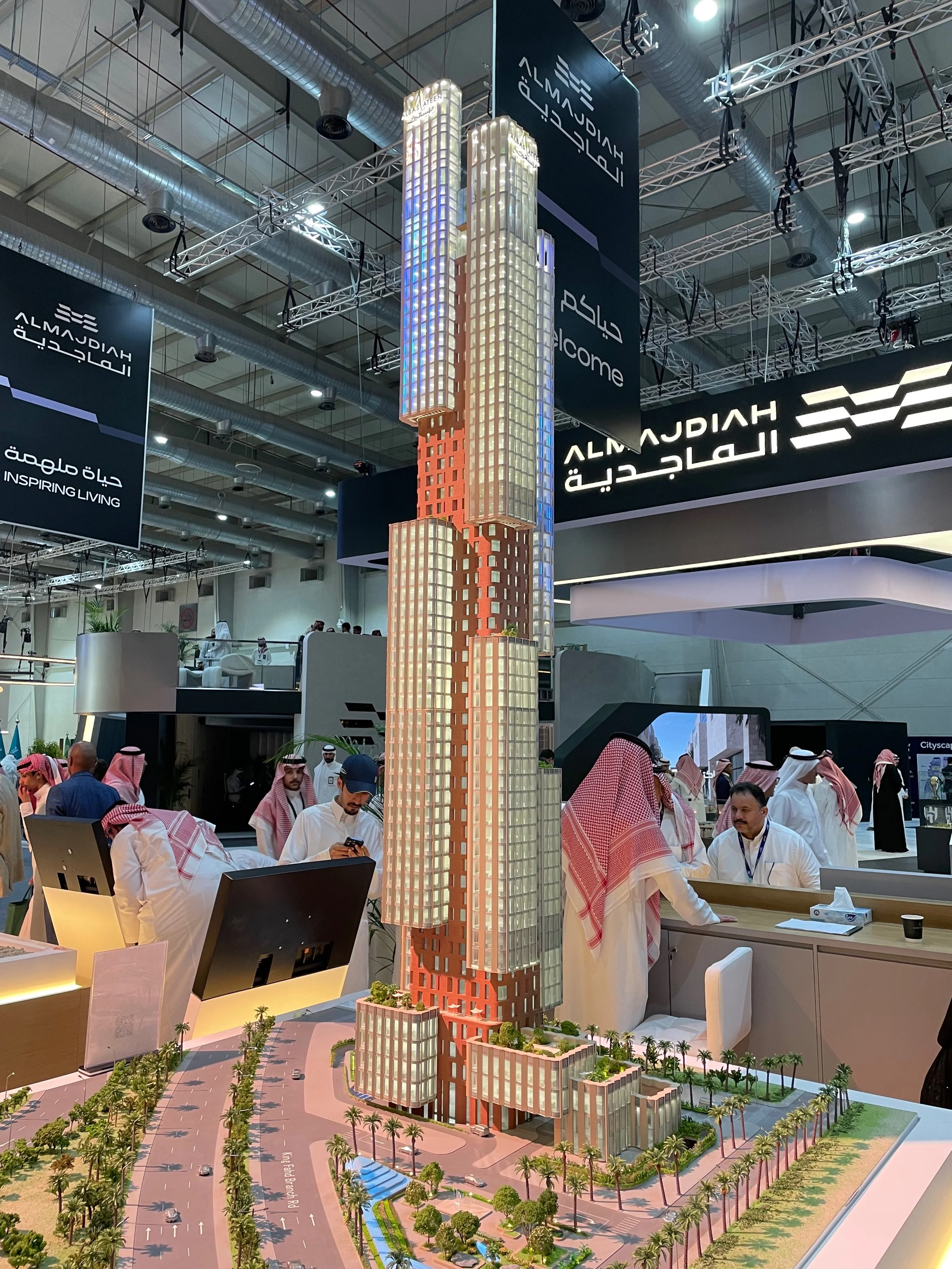
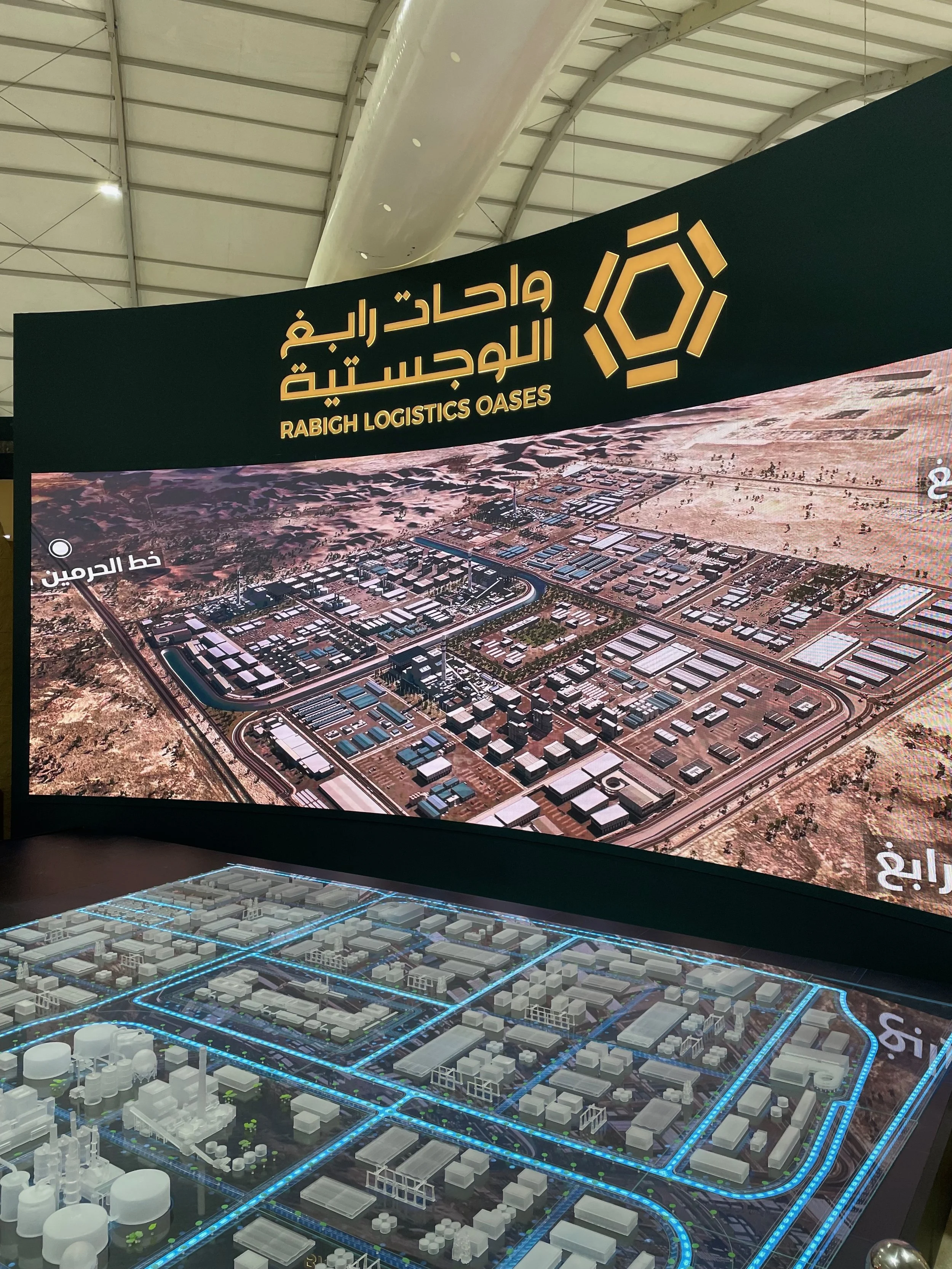
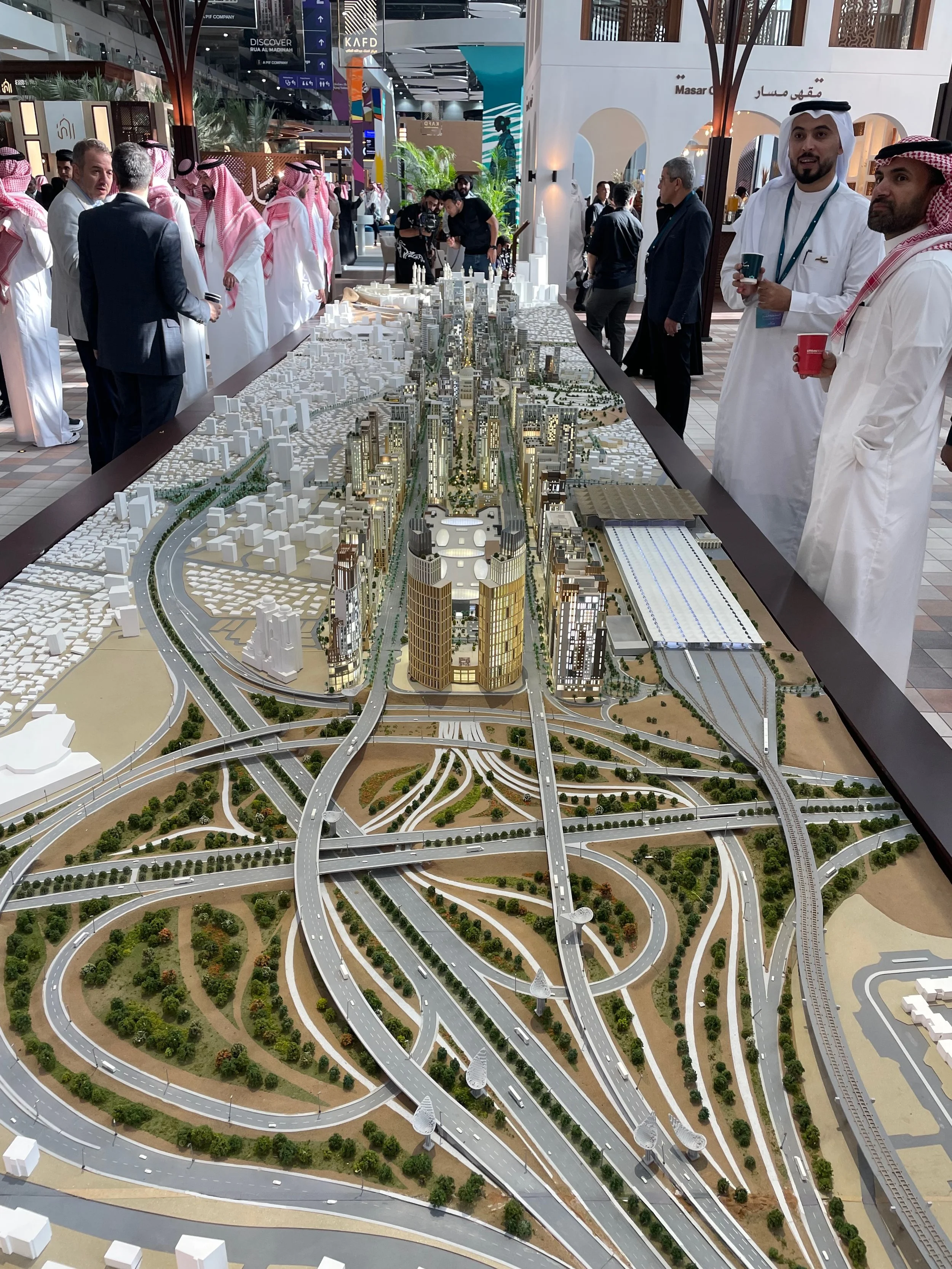
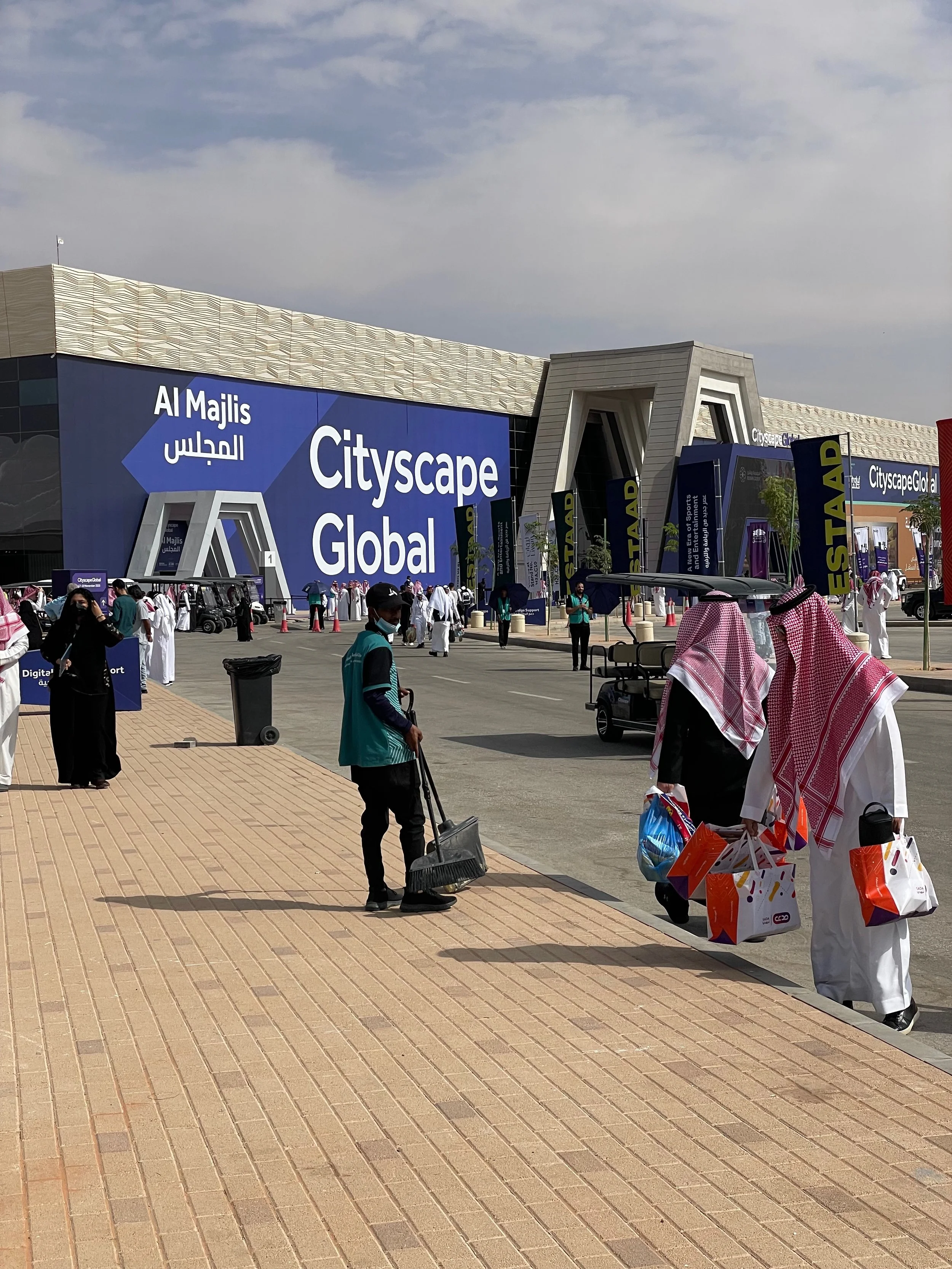
Cityscape 2025 reaffirmed its role as one of the most influential stages for global real estate ambition. More than an exhibition, it functioned as a declaration of intent: cities yet to be completed, districts still in concept phase, and investment volumes that, on paper, rival the GDP of small nations.
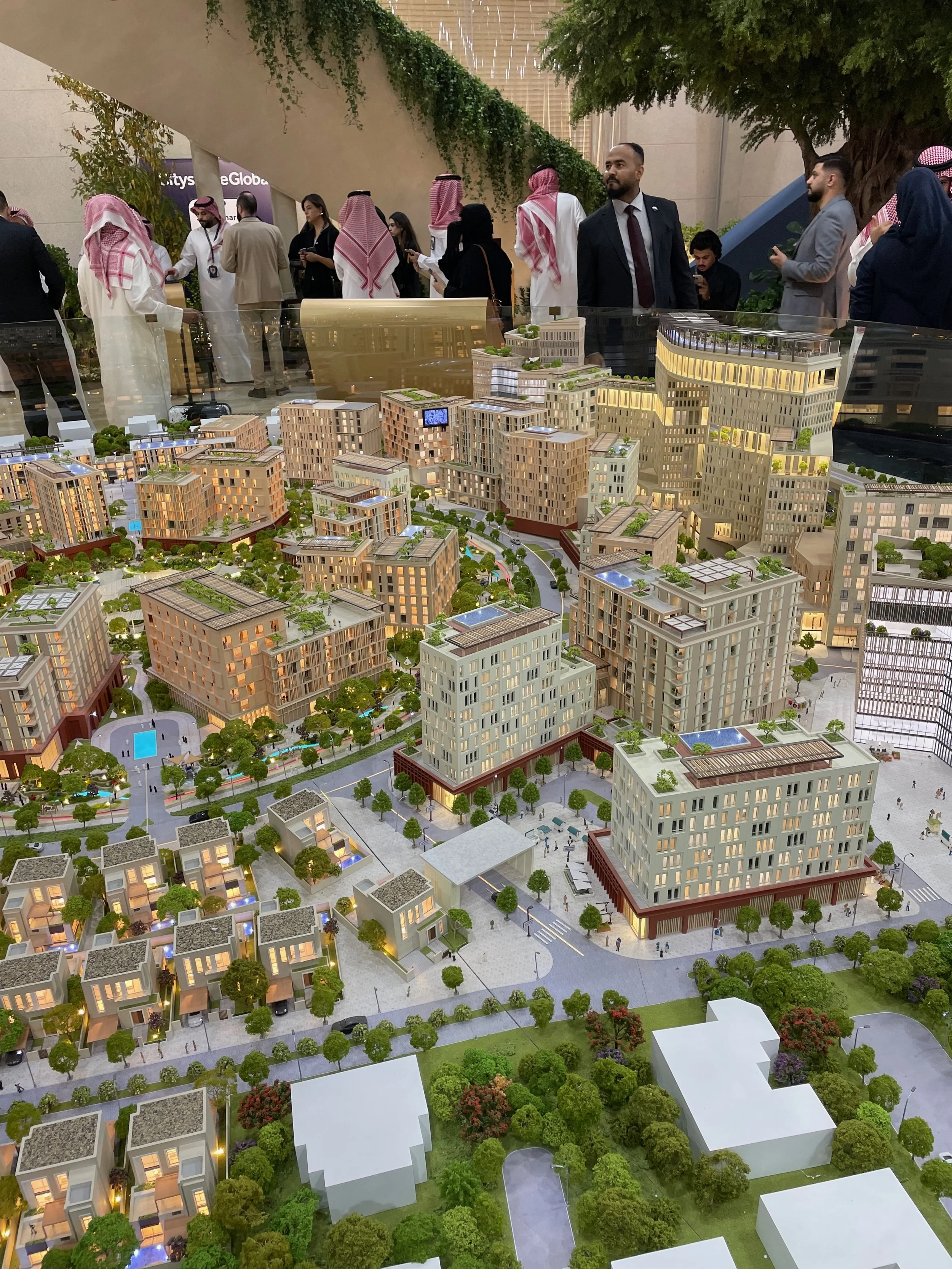
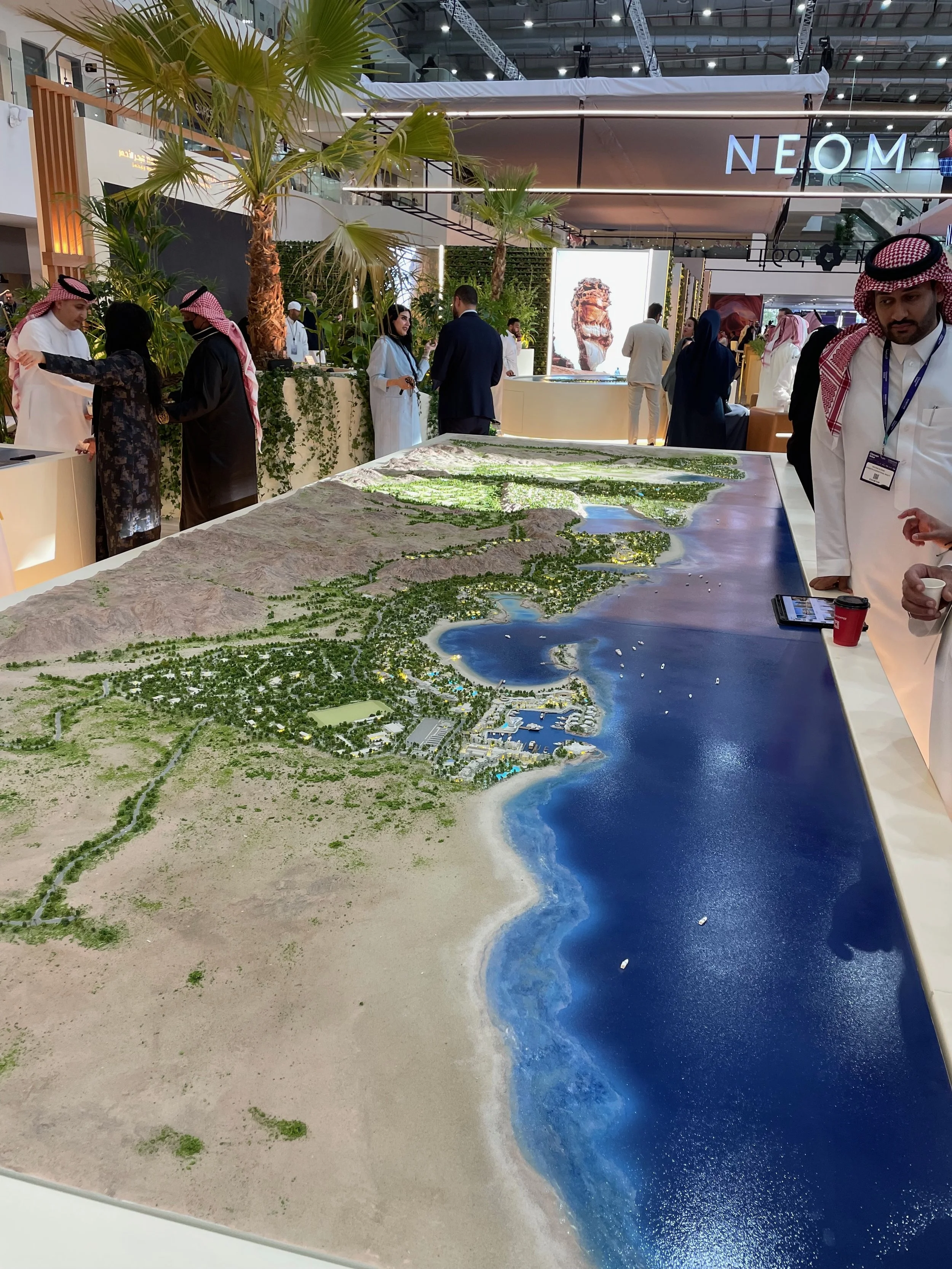
The scale was unmistakable. Masterplans extended across entire walls, national pavilions competed for attention, and the presence of government-linked entities underlined the strategic importance real estate continues to hold in the region’s economic transformation agenda.
Yet scale alone no longer tells the full story.
Behind the architectural renderings and headline figures, Cityscape 2025 revealed a market transitioning from vision-first storytelling to a more complex phase where execution, absorption and operational realism are becoming central concerns.
Capital Is No Longer the Bottleneck
A striking constant across meetings and panels was the consensus that capital availability is not the limiting factor. Sovereign wealth funds, institutional investors, regional banks and private equity players are all actively looking for exposure.
This abundance has shifted the balance of power.
Developers are no longer competing primarily on access to funding, but on their ability to structure projects that can be delivered, phased and operated under real-world constraints. Investors are increasingly selective, asking harder questions about timelines, governance, demand validation and exit logic.
In this environment, capital has become conditional rather than speculative. Money flows, but only toward projects that demonstrate a credible path from concept to cash flow.
The Execution Gap Widens at Scale
As projects grow larger and more complex, execution risk compounds.
Cityscape 2025 highlighted a recurring tension: developments are being launched at unprecedented scale, often simultaneously, in markets that are still building the institutional, operational and human infrastructure required to support them.
Construction capacity, supply chains, talent availability and regulatory coordination all come under strain. But beyond physical delivery, a more subtle challenge emerges — strategic coherence.
Many projects present compelling architectural visions, yet struggle to articulate:
Who the end user truly is
How demand will be phased over time
How identity will be sustained beyond launch
How operational performance will be managed post-delivery
Execution is no longer just about building. It is about orchestrating ecosystems.
From Iconic Architecture to Market Logic
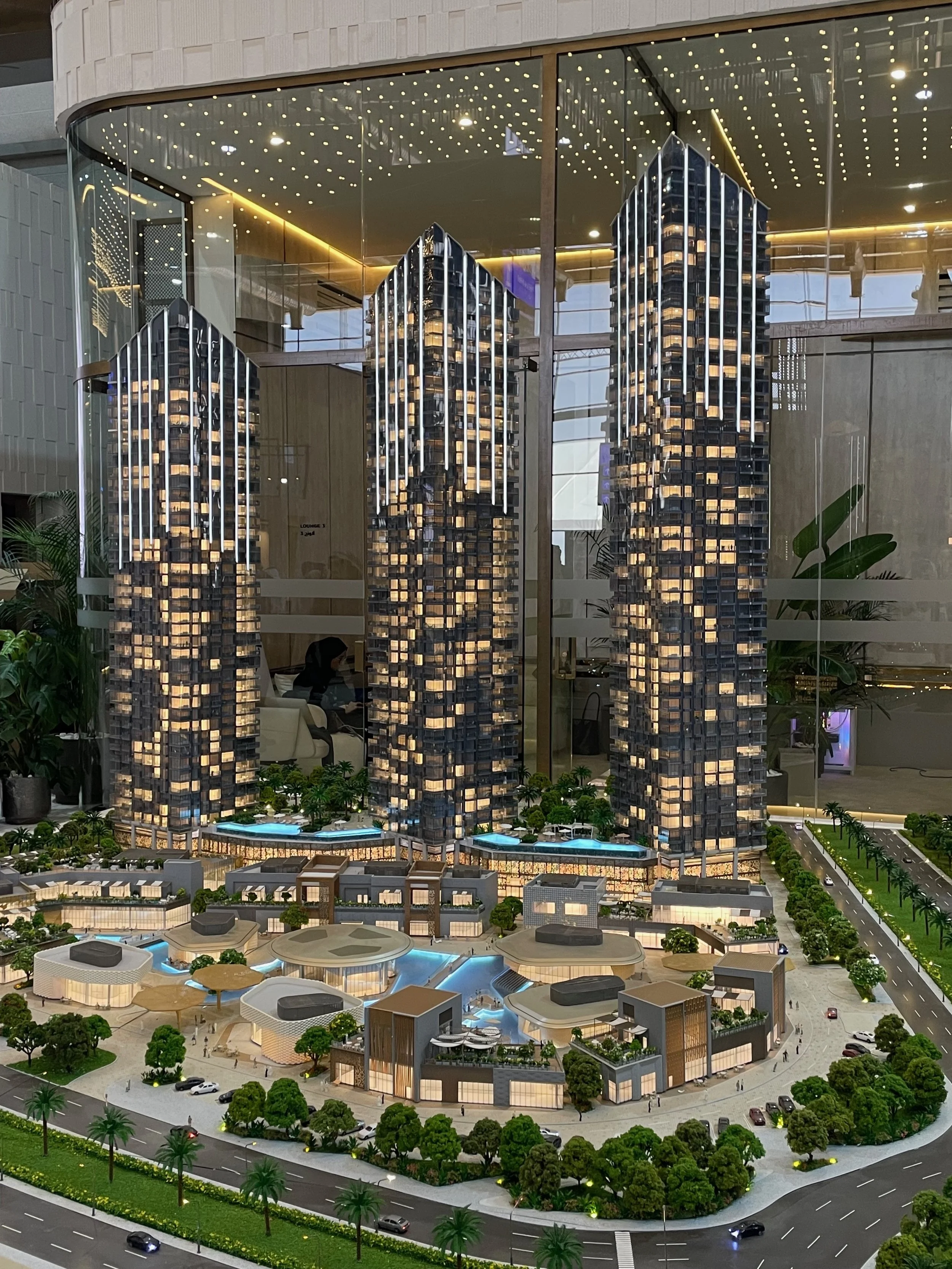
Cityscape has long been a showcase for iconic architecture, and 2025 was no exception. Landmark towers, coastal megaprojects and vertical cities continue to dominate visual narratives.
However, a quiet recalibration is underway.
More stakeholders are acknowledging that iconicity does not guarantee absorption. Global buyers and tenants are increasingly sophisticated, comparing experiences, services and long-term value across markets.
This places pressure on developers to move beyond visual impact toward market logic:
Clear positioning within a competitive landscape
Differentiated use cases beyond “luxury” or “mixed-use”
Realistic pricing strategies aligned with global benchmarks
The challenge is not ambition, but translation — converting vision into propositions that resonate with real people, not just global capital.
Technology: From Symbol to System
Technology was omnipresent at Cityscape 2025, yet its role remains ambiguous.
AI, digital twins, smart city platforms and predictive analytics featured prominently in presentations. However, in many cases, these technologies were framed as symbols of modernity rather than fully embedded operational systems.
The gap is most visible in three areas:
Sales enablement and buyer journey optimization
Real-time asset performance monitoring
Long-term community management and retention
Technology that remains detached from daily decision-making risks becoming decorative. The next competitive advantage will belong to developers who integrate technology as infrastructure, not messaging.
Branding at Scale: A Growing Blind Spot
One of the less discussed, yet critical, challenges observed at Cityscape is brand dilution at scale.
As developers launch multiple projects simultaneously, often under umbrella narratives, differentiation becomes fragile. Many projects rely heavily on architecture to do the branding work, while neglecting deeper narrative layers tied to lifestyle, use, and long-term identity.
At scale, branding is no longer cosmetic. It becomes a strategic coordination tool — aligning investors, operators, municipalities and end users around a shared vision.
Without it, even the most ambitious projects risk becoming interchangeable.
The Investor Perspective Is Maturing
Investor conversations at Cityscape 2025 were notably more sober than in previous cycles.
While appetite remains strong, expectations have shifted:
Faster proof of demand
Clearer governance structures
Greater transparency on assumptions
Stronger alignment between public ambition and private returns
This maturation reflects a broader global trend: real estate capital is no longer chasing stories alone. It is chasing execution credibility.
Cityscape as a Mirror of a Market in Transition
Cityscape 2025 did not signal slowdown. It signaled evolution.
The market is moving from an era defined by ambition and scale into one where discipline, sequencing and operational clarity will determine success. The winners of the next decade will not necessarily be those who announce the largest projects, but those who deliver coherent, resilient and human-centered environments.
In that sense, Cityscape is less a destination than a mirror — reflecting both the extraordinary momentum of global real estate and the growing complexity that comes with it.