Oman Expo 2025 — When Restraint Becomes a Strategic Advantage

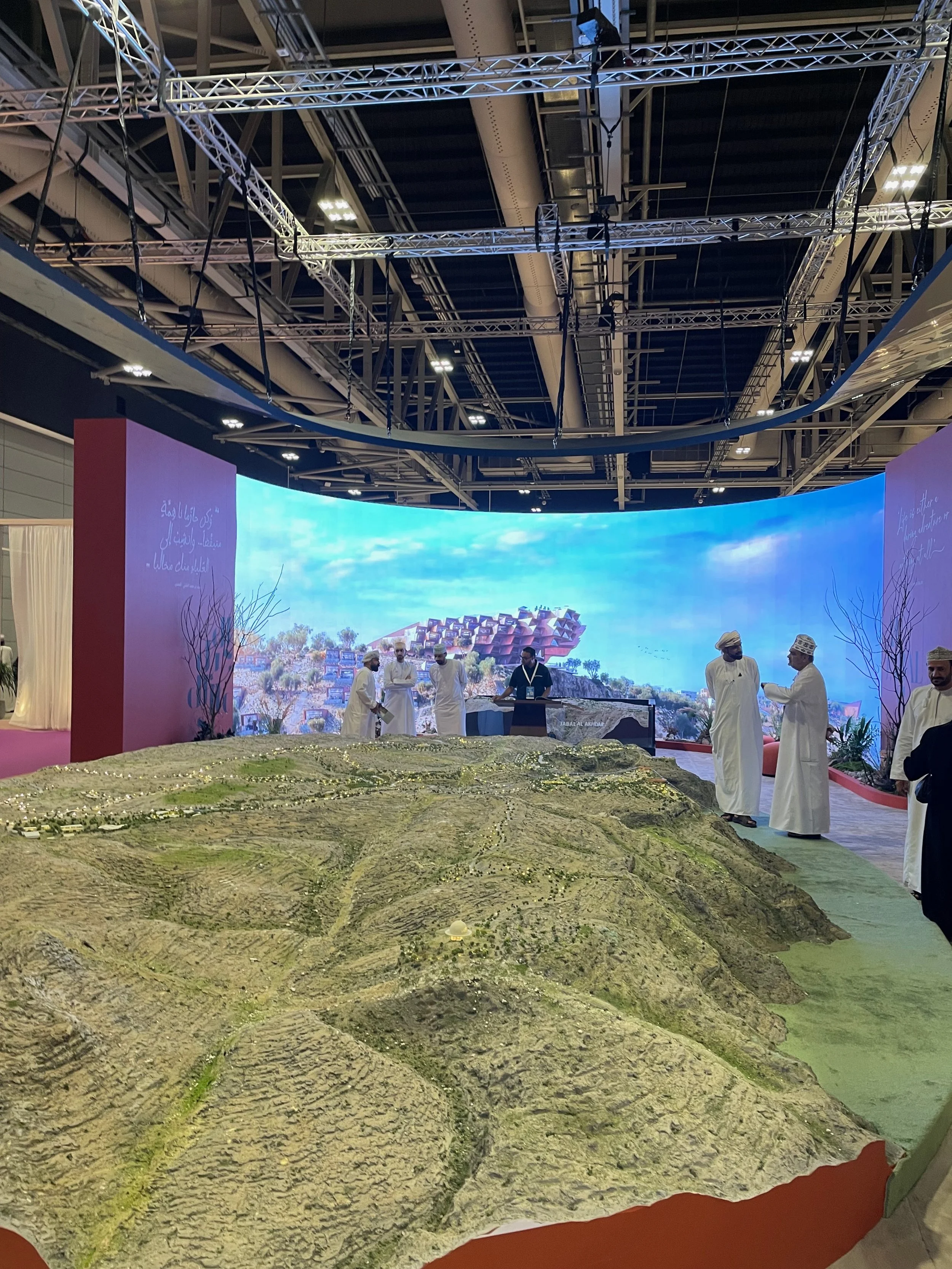
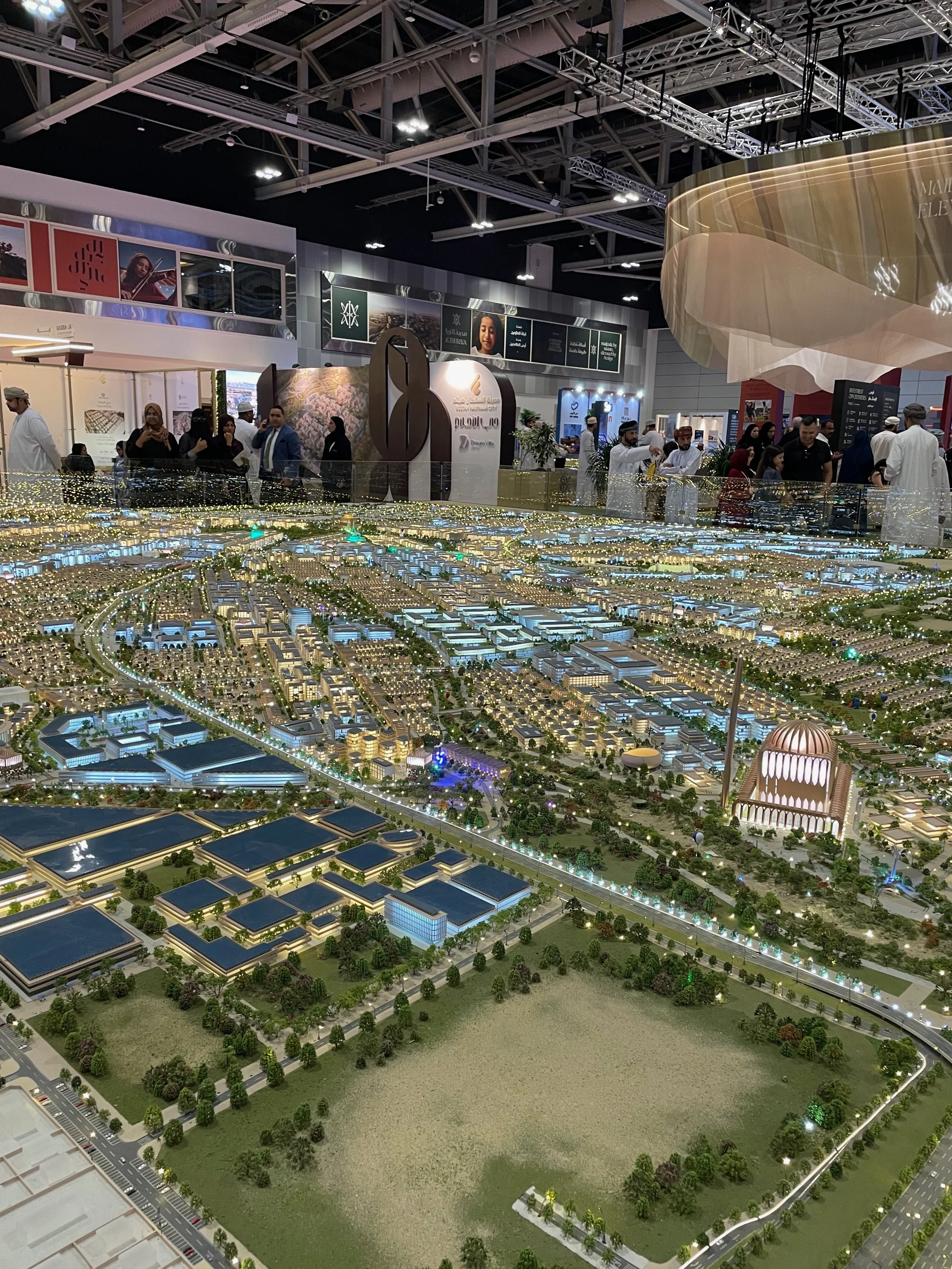
A Different Tone in a Loud Region
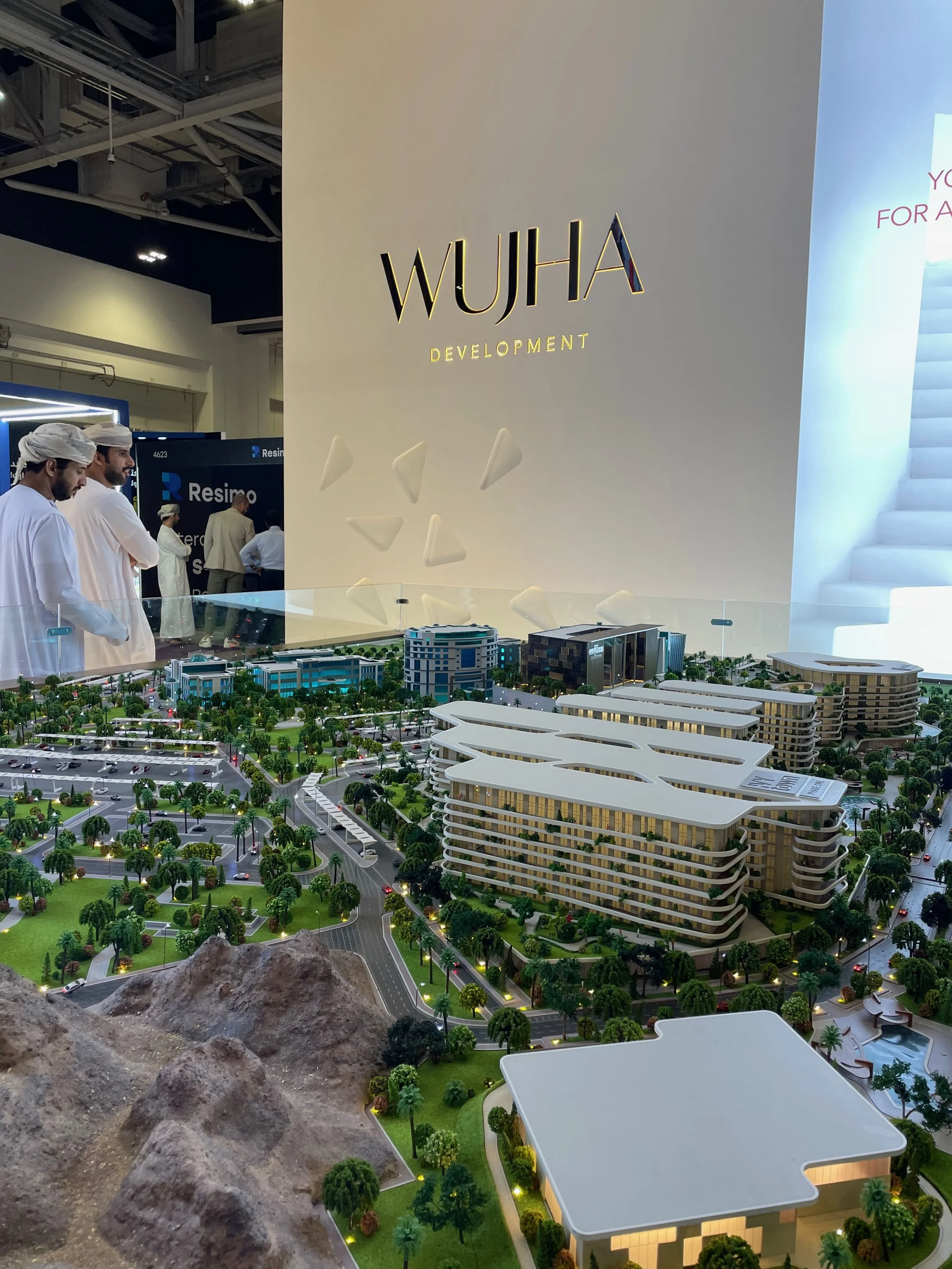
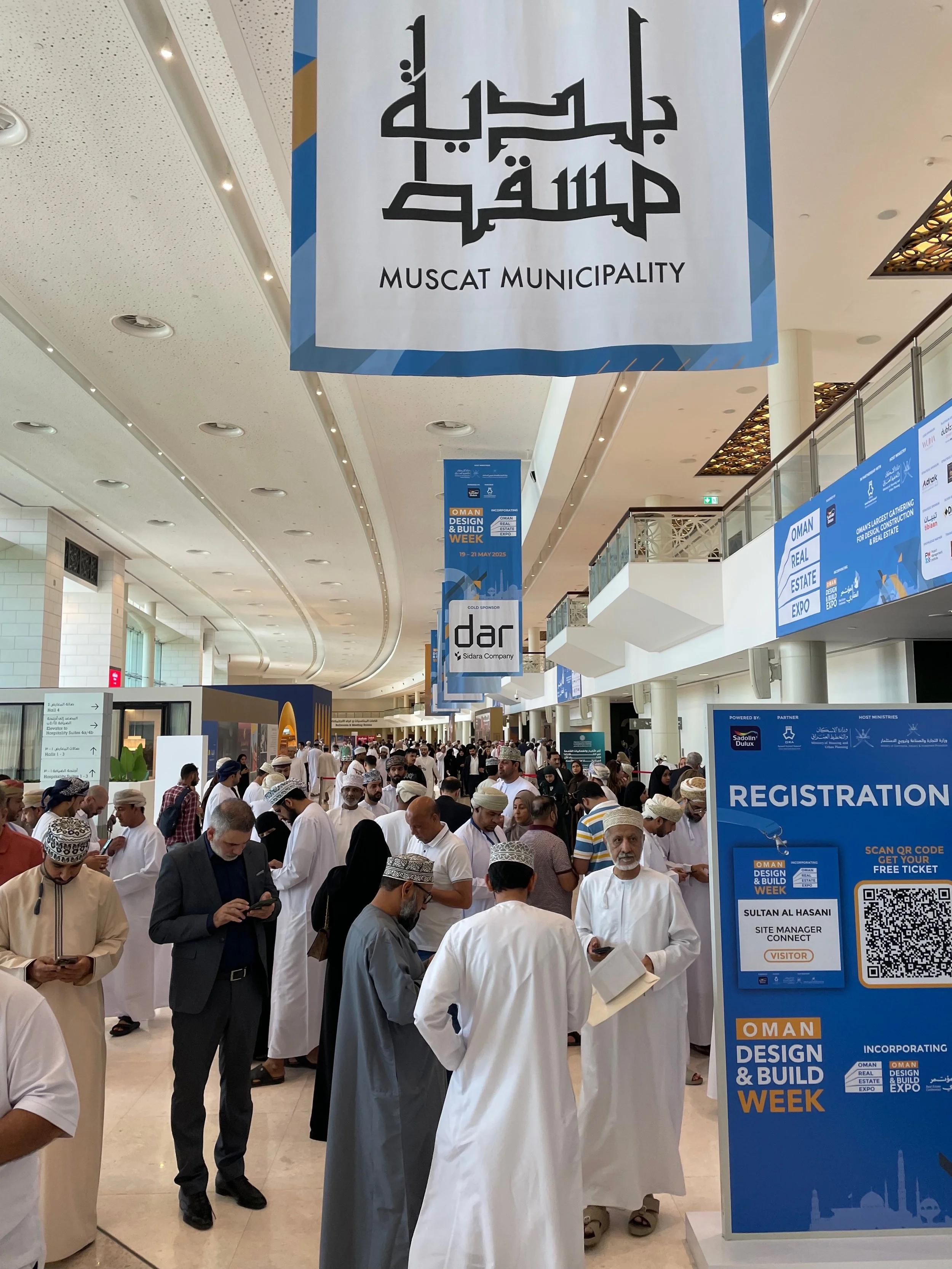
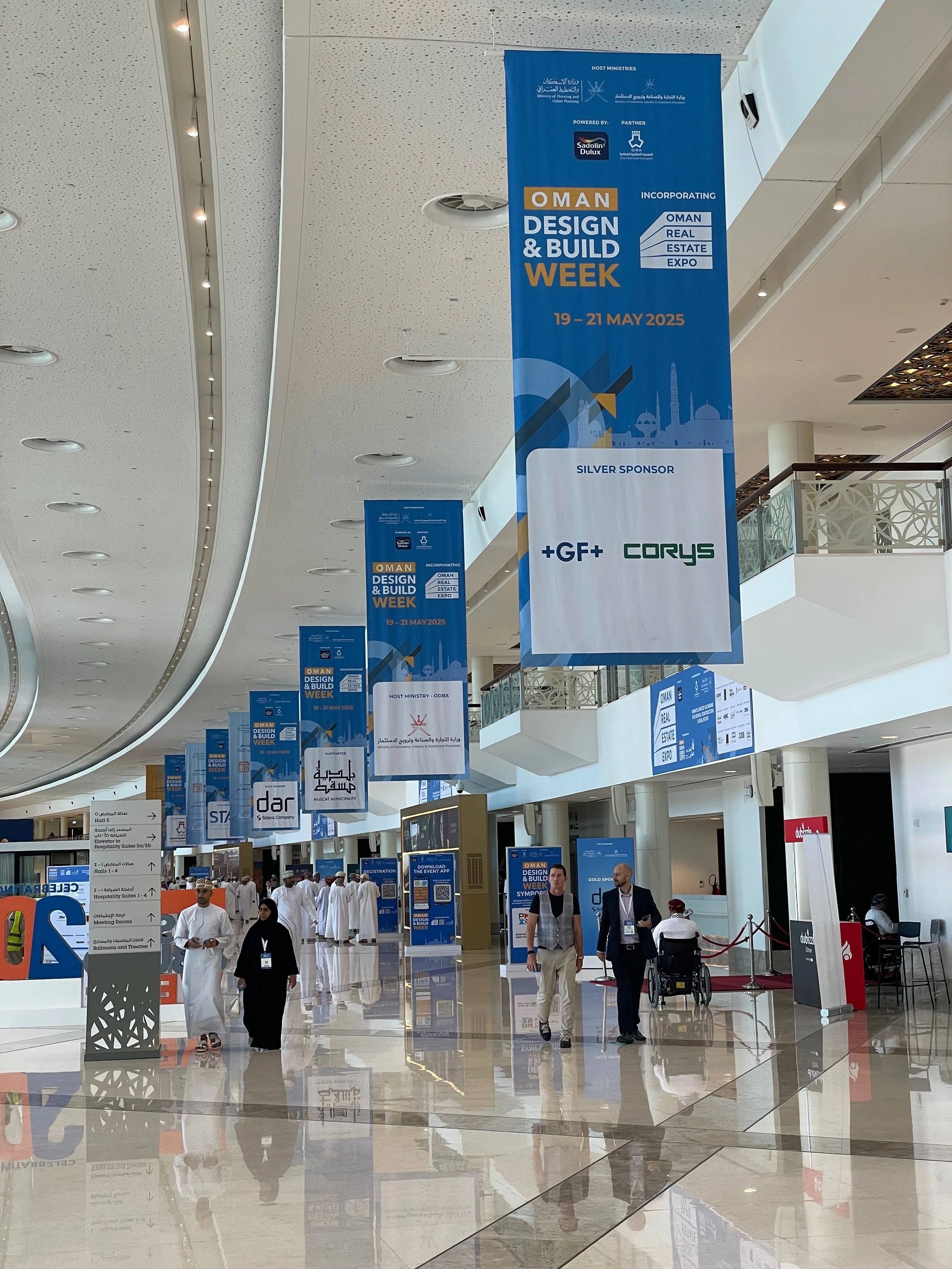
Oman Expo 2025 stood out precisely because it resisted the dominant tone of regional real estate discourse. Where many markets emphasize speed, scale and headline value, Oman presented a narrative shaped by deliberation, continuity and long-term intent.
The atmosphere was notably composed. Projects were introduced with fewer superlatives and more context. Conversations leaned toward feasibility, phasing and governance rather than spectacle. This was not accidental. It reflected a broader national strategy that views real estate not as a race, but as a structural pillar to be built carefully over time.
In a region often defined by acceleration, Oman is consciously choosing measured momentum.
Real Estate as Infrastructure, Not Just Product
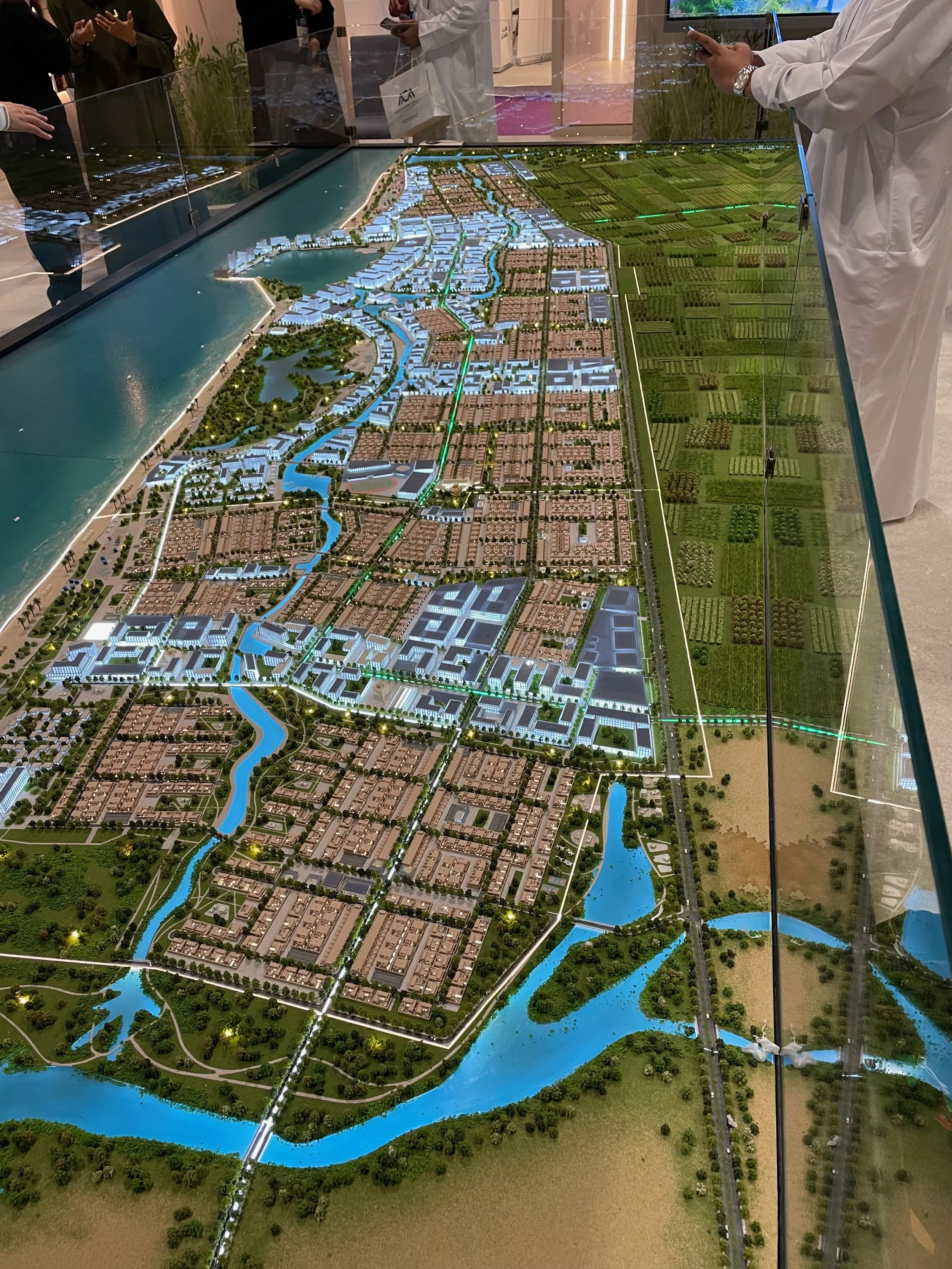
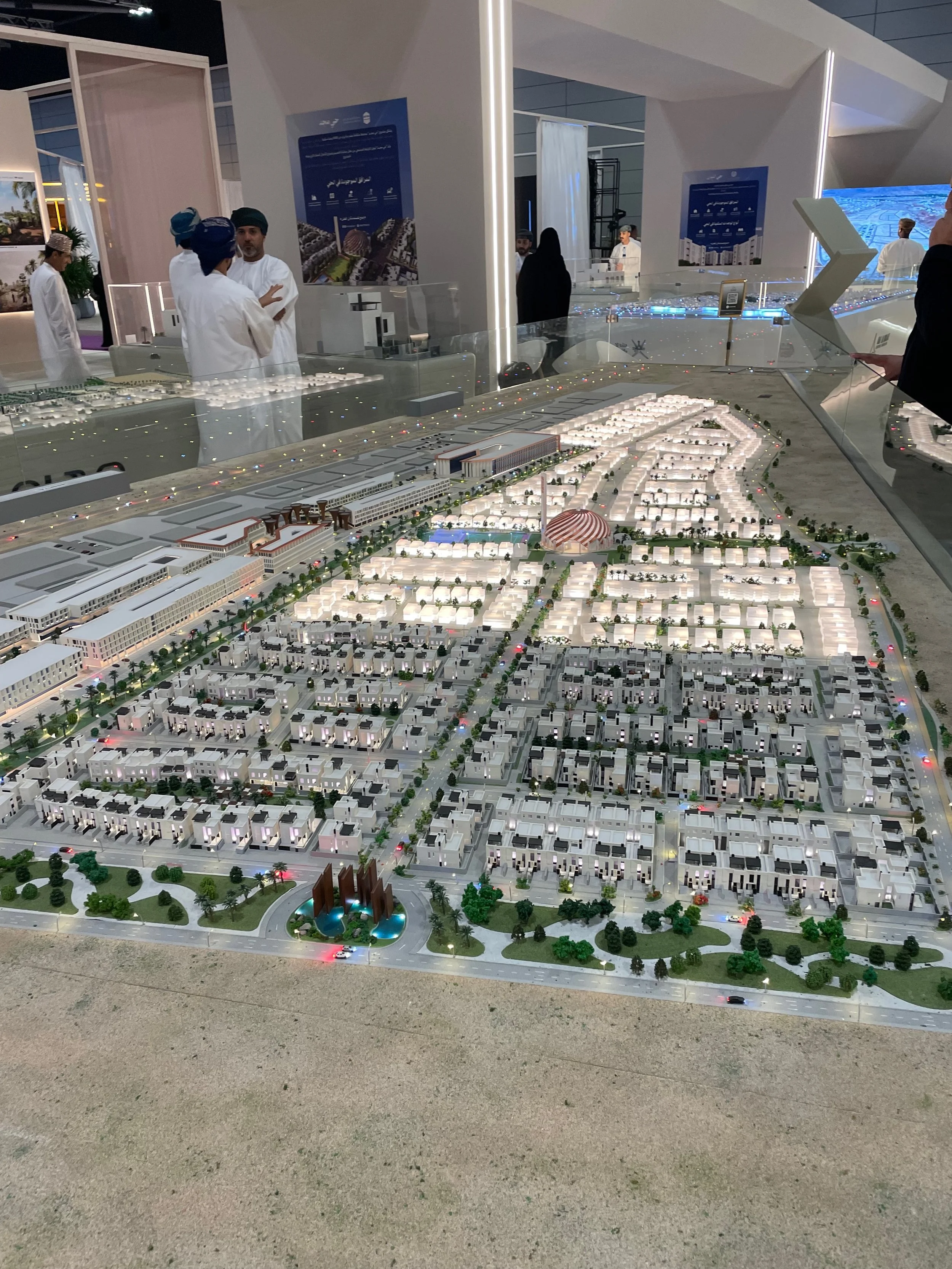
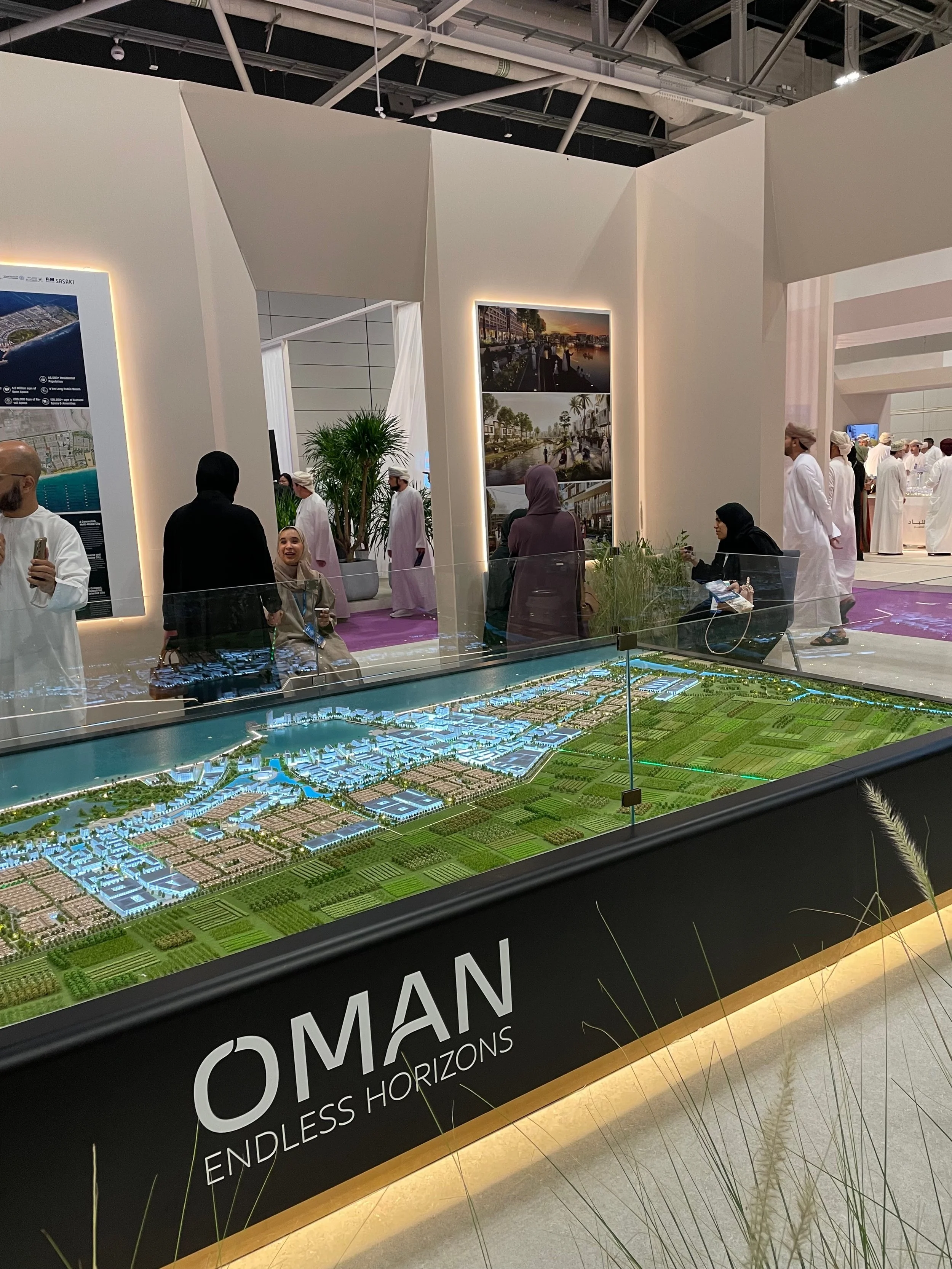
A recurring theme across the Expo was the framing of real estate as infrastructure, not merely as an investment product. Developments were discussed in relation to logistics corridors, tourism flows, employment creation and regional connectivity.
This approach naturally tempers speculative excess. Projects are less likely to be launched purely for visibility, and more likely to be anchored in identifiable economic drivers. Hospitality assets were tied to tourism strategies. Logistics developments aligned with port and trade ambitions. Mixed-use projects emphasized long-term liveability over short-term sales velocity.
The opportunity here is credibility. The challenge, however, lies in ensuring that this infrastructural logic translates into market narratives that remain compelling internationally.
Investor Appeal Through Stability
Oman’s positioning is particularly resonant with investors seeking predictability in an increasingly volatile global environment. Regulatory clarity, phased delivery and institutional continuity are seen as strengths rather than constraints.
That said, stability alone does not attract capital at scale. Several discussions highlighted the need for clearer benchmarks on returns, exit strategies and operational performance. International investors still expect transparency, data and comparability — even in markets prioritizing long-term horizons.
Oman’s challenge is therefore one of translation: aligning its internally coherent development philosophy with the expectations and language of global capital markets.
Technology Adoption Without Hype
Technology featured at Oman Expo 2025, but without the performative emphasis seen elsewhere. Discussions focused on practical applications: construction efficiency, building management systems, energy optimization and operational monitoring.
This pragmatic stance has advantages. Technology is framed as a tool, not a promise. However, it also reveals gaps. Advanced proptech solutions related to sales enablement, predictive analytics and lifecycle asset management are still unevenly deployed.
The risk is not technological lag, but under-leverage. Without stronger integration of digital tools into development and operations, Oman may struggle to fully articulate the long-term performance of its assets to international stakeholders.
Identity as a Competitive Asset
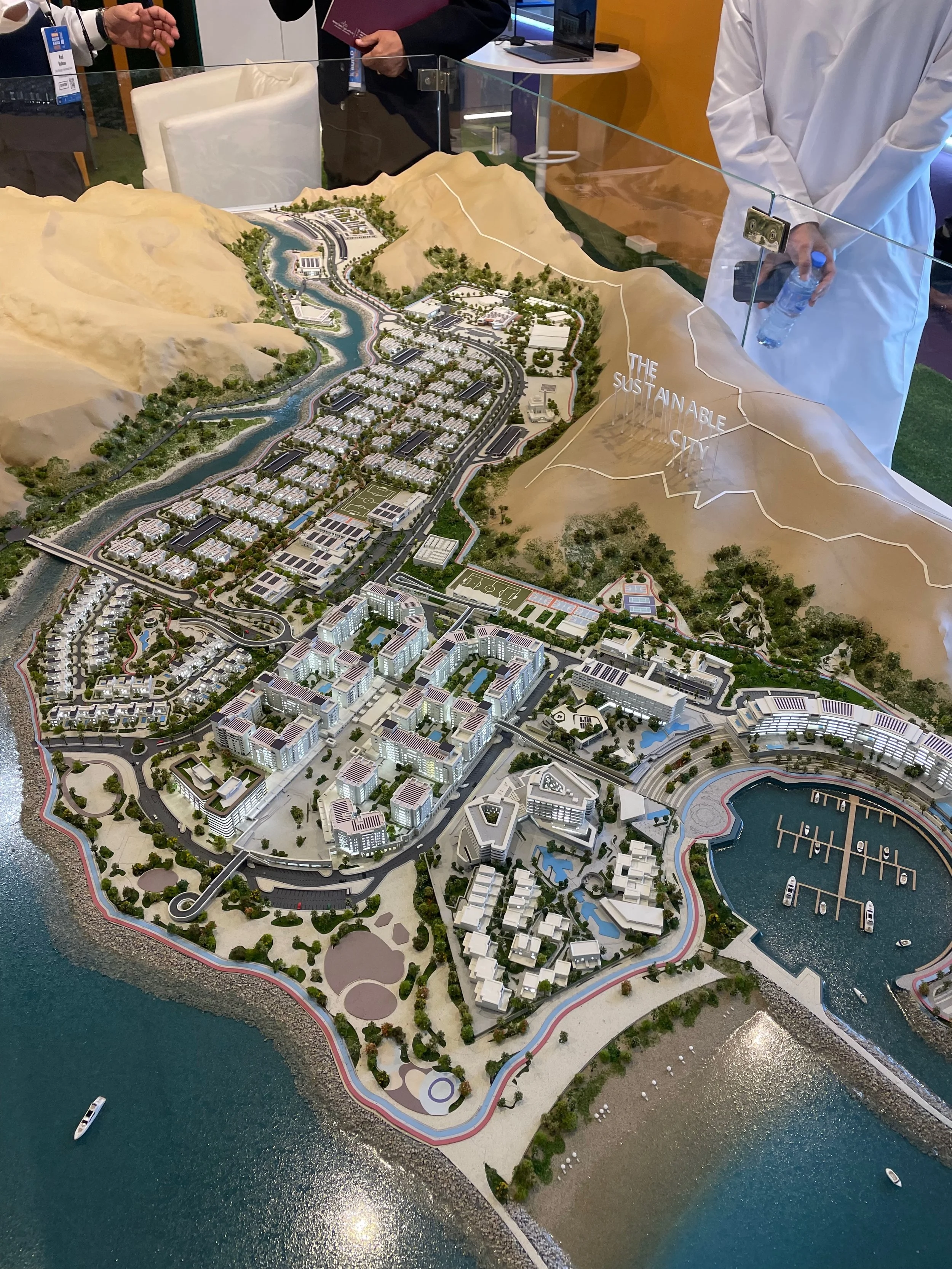
One of Oman’s most distinctive advantages lies in its identity-driven development approach. Cultural context, landscape integration and environmental sensitivity are not add-ons; they are core design principles.
This creates genuine differentiation, particularly as global buyers increasingly seek authenticity over uniform luxury. Yet identity-based development requires strong storytelling and consistent communication. Without it, differentiation risks remaining implicit rather than perceived.
Oman Expo 2025 made it clear: the foundations are strong. The next step is amplification — without distortion.
A Market Playing the Long Game
Oman Expo 2025 did not aim to impress through volume. It aimed to reassure through coherence.
In doing so, it positioned Oman as a market that understands its limits — and leverages them strategically. In a global real estate cycle increasingly defined by risk management and capital discipline, that restraint may prove to be one of its most valuable assets.